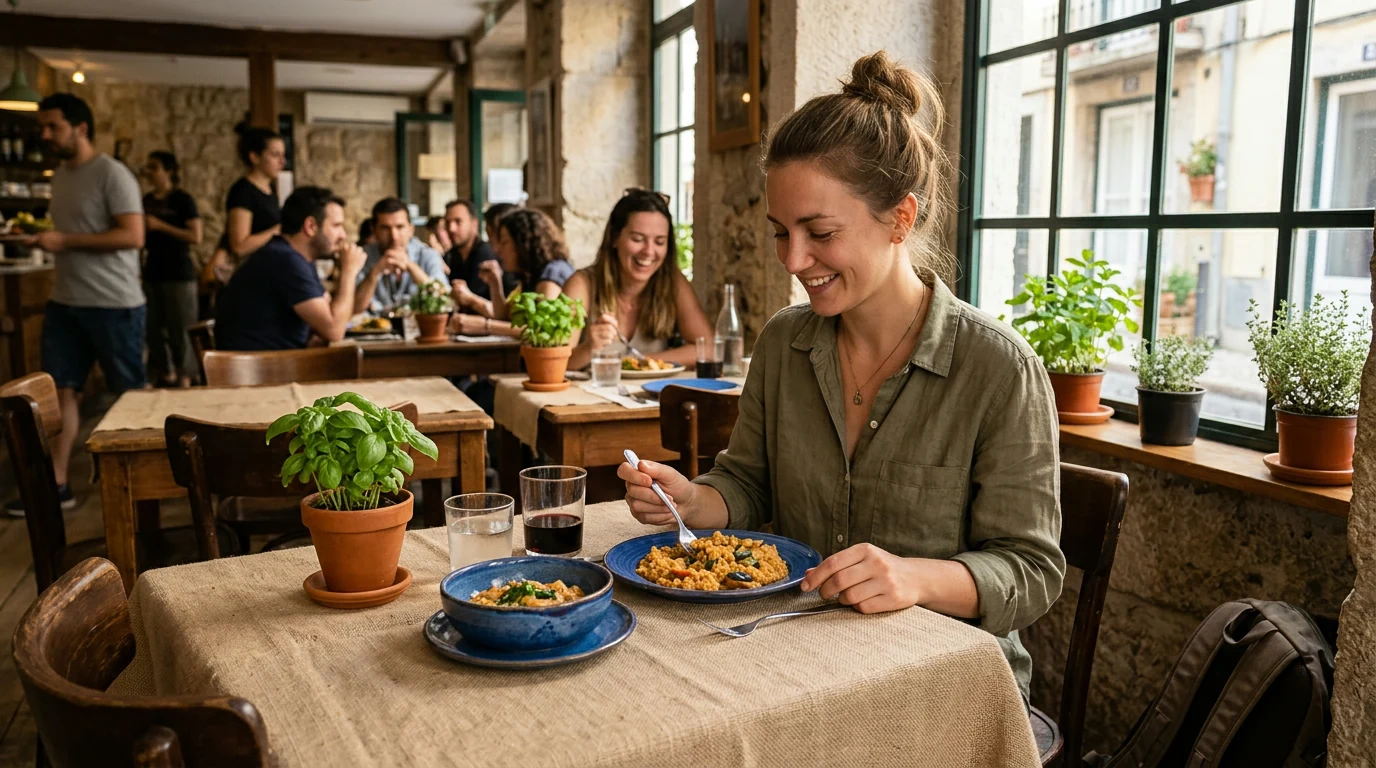
Eat Like a Local Anywhere: A Travel Food Guide
Local food can be an everyday breakfast as much as a regional specialty. It can reflect the growing season, a family tradition, or the influence of communities who brought ingredients and techniques from elsewhere. Food cultures change as people and places change; they are not frozen in time.
Before you leave, learn a few useful words for meals, common ingredients, and cooking methods. Find out when people generally eat and whether a quick counter meal, a long lunch, or an evening gathering is common in the area. These details can help you choose a time and place that suit both your appetite and your schedule.
Keep an open mind about what counts as local. A celebrated restaurant may be worth a visit, but it is not the only way to experience a destination’s food. A neighborhood café or a dish shaped by migration can be just as revealing.
Popular dining districts can be enjoyable, but make time to visit a neighborhood market or bakery away from the busiest streets. Look for seasonal ingredients, daily specials, and foods people buy to take home.
Ask hotel staff, shopkeepers, or local guides a specific question: “Where would you go for an affordable lunch nearby?” or “Is there a place you like with vegetarian options?” Share your budget and dietary needs so their suggestions are useful to you.
A busy venue or unfamiliar menu is not a guarantee of quality. Consider cleanliness, food handling, whether staff can answer ingredient questions, and whether the menu fits your needs.
Featured in this guide
Eat Like a Local Anywhere You Go – Ebook Guide to How to Find Authentic Local Food When Traveling | Travel Food Culture Guide
Check the product’s listed specifications when evaluating choose your next food stop.
Ask what a dish contains, whether a portion is meant for one person, or how it is typically eaten. If an ingredient is unfamiliar, ask about its flavor and preparation rather than assuming the dish is mild, spicy, or vegetarian.
Observe dining customs, but remember that habits differ from person to person. When you are unsure, a polite question can help. Sharing dishes may let your group try more flavors when it suits everyone’s dietary needs, but you never need to eat something that makes you uncomfortable or puts your health at risk.
Check the product’s listed specifications when evaluating order with curiosity and consideration.
Before departure, review current food and water advice for your destination. Choose food that is thoroughly cooked and served hot, and follow local travel health guidance about drinking water and ice.
If you have an allergy, communicate it clearly rather than relying on a broad label. Carry a translated allergy card when useful, and ask about ingredients, sauces, cooking oil, and shared equipment. If a vendor cannot confirm how a dish is prepared, choose another option that meets your needs.
Our Eat Like a Local Anywhere You Go ebook is for travelers interested in finding local food and exploring the culture around it.
If you also enjoy reflective reading, explore Timeless Words of Wisdom to Inspire Every Step. Wherever your next trip takes you, our team invites you to make room for discovery—one question, market visit, or shared meal at a time.
Check the product’s listed specifications when evaluating take the guide along.
“Eat like” is not a complete expression by itself; “eat like a local” means approaching food in ways associated with people who live in a place. There is no single way every local eats.
It can mean choosing food produced nearby or exploring the dishes and dining habits of a place. The intended meaning depends on the context.
Chris Shepherd is a Houston chef and founder of the Southern Smoke Foundation, which supports people in the food and beverage industry. His current projects may change, so consult his official channels for the latest information.
Houston residents eat across many neighborhoods, from casual restaurants and bakeries to markets serving the city’s diverse communities. Ask residents for suggestions that match your location, budget, and dietary needs.




Leave a comment